Talks and TV
Talks
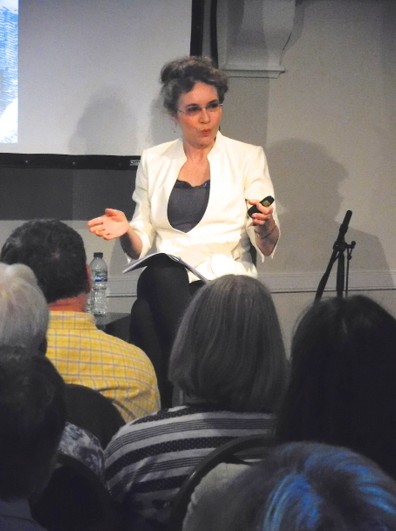
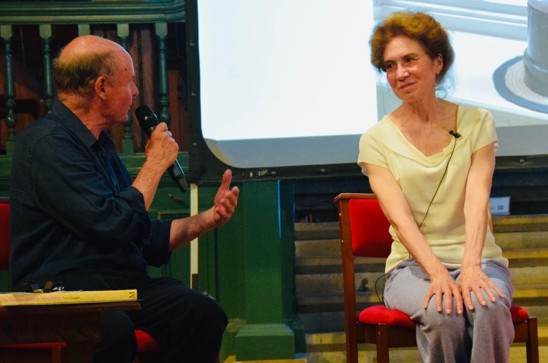
Deborah has given talks about her books at many literary and history festivals and other events in the UK, Canada and America.
She has also been invited to discuss the ideas behind her book, Chocolate Wars, at several leading business schools.
To book Deborah for an event please contact Elliot Prior.
Deborah is also a regular contributor to popular historical documentaries. She has appeared on the BBC, Channel Four, Channel Five and ITN, as well as radio including Start the Week.
Deborah on Start the Week
Deborah in ITN’s Royals in Wartime

Deborah in The Queen Mother, The Reluctant Queen
TV Production
Before leaving the BBC to write full time, Deborah became known for her award-winning historical drama documentaries.
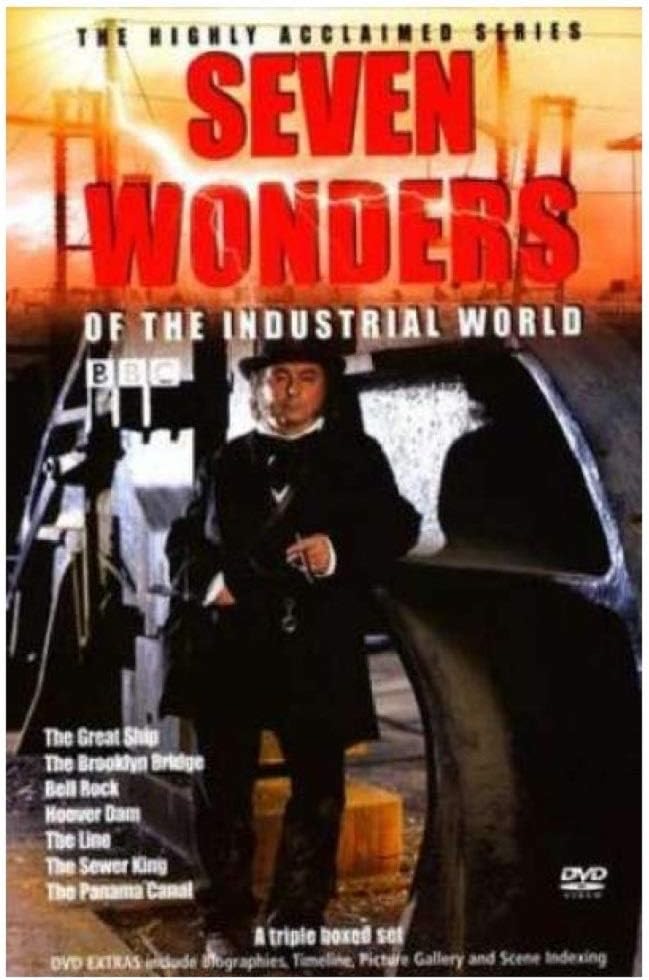
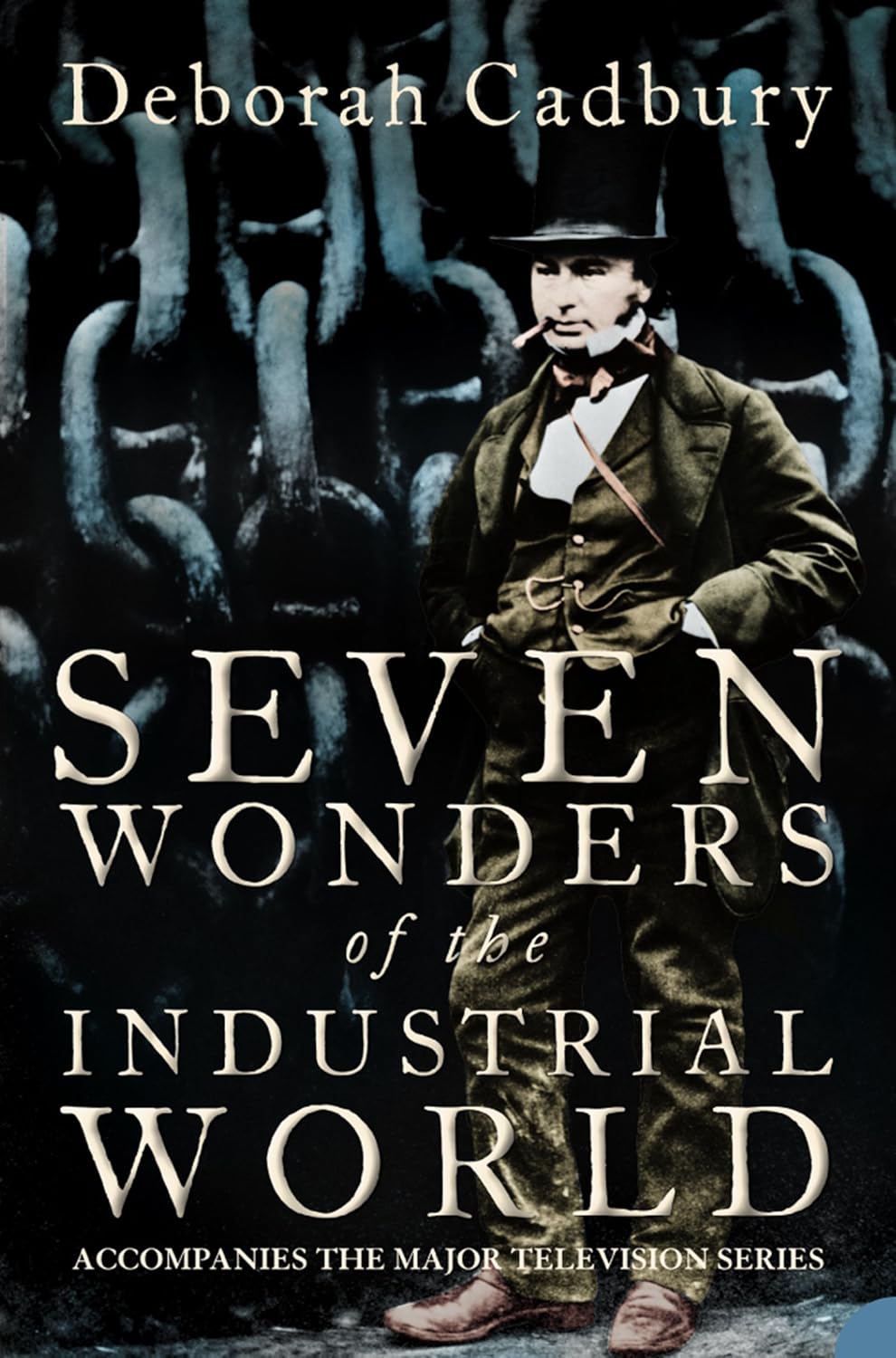
Seven Wonders of the Industrial World
Deborah series produced Seven Wonders of the Industrial World, a 7-part BBC drama documentary series which won a Bafta nomination. The series also received nominations from RTS, Grierson & Broadcast awards and won The Viewers and Listeners Award.
To make the dramas as authentic as possible, the dialogue was sourced where possible through real records. The series also pioneered a combination of live action and CGI based on original images to create drama with scale, by digital effects designer Gareth Edwards (now a well-known Spielberg director).
Reviews
A groundbreaking achievement… At last a style of drama documentary has been conceived that attains the artistry of great drama with the faithfulness demanded of the honest documentary. The acting is convincing and money has been spent ensuring sets and effects worthy of a mid-budget Hollywood film. Importantly, the dialogue given to the characters has been sourced to their recorded pronouncements. The only appropriate response as the credits roll at the end of Seven Wonders of the Industrial World is a burst of applause…Graham Stewart The Times 30.8.03
An unexpected delight…the documentary style lends immediacy to the action; the computer simulations are effective and intelligently used; and above all, this is an exciting and astonishing story, well told…Gripping viewing Nigel Andrew on the first episode. The Daily Mail. 30.8.03
Brunel’s dream was vividly brought to life in this wonderful programme, a dramatic reconstruction of history that left none of the joins showing. Big music swelled on the soundtrack as white-hot rivets were pounded into place by bashers. There was a very real sense of something great being forged in the smelting pot of history…At a time when television is beset with well meaning but prosaic reconstructions of a past which fascinates us all, The Great Ship was an example of how to do it properly.’ Pete Clark, Evening Standard, 5.9.03
A riveting series…a real return for your license fee. .TV Times 30.8.03
The feel was epic, the music sweeping and the prose never afraid to risk excess [The hull plates could have formed shields for the gods] The programme was …undeniably stirring – partly because of the utter conviction with which it went about its work and partly because it had such a remarkable story to tell…By the end BBC2 had triumphed as well – in providing the desired synthesis of proper information and genuine entertainment. James Walton, Daily Telegraph, 5.9.03
Terrific. Told in a documentary style, with the actors lines based on actual records, the story of how Brunel’s vision for a ‘Crystal Palace of the seas’ was realised is grippingly told.’ Claire Murphy Daily Telegraph 4.9.03
Entertaining, thought provoking, thrilling telly… Superb. The Observer 19.10.03
What a brilliantly realised series this has been. Such is the seamlessness of the computer-aided reconstruction in this swansong documenting Frank ‘Hurry-up’ Crowe’s building of the Hoover Dam, that there are times when you wonder, ‘how did they do that?’ Nick Griffiths, Daily Mail, 11.10.03
Seven Wonders has been a real gem of a series, and this final film makes a suitably impressive climax. Jane Rackham. Radio Times. 11.10.03
Space Race
Deborah series-produced Space Race, the BBC’s first co-production with both the Russians and Americans.
‘It was a great privilege to make this drama documentary series,’ says Deborah. ‘The space race between the two superpowers was set against the Cold War. At stake was nuclear Armageddon. Now here I was, talking to the Russian and American producers to agree a common narrative to show what happened. I hoped it would be the first of many such BBC led co-productions finding a truth to global events and conflict that all sides could agree on – but changing geopolitics has not yet made this possible’.
With unparalleled access to the Russian side of the story at the time, Deborah’s accompanying book, Space Race, reveals the previously unknown story of the secret Russian chief designer, Sergei Korolev and shows just why the Russians were able to lead the space race for so long.
Wikipedia
View BBC series Space Race (on BBC internet archive)


Nuclear Secrets
Deborah delved further into Cold War espionage as executive producer of the BBC drama documentary series, Nuclear Secrets.
This five-part drama documentary series explores nuclear proliferation through the stories of nuclear spies that have changed world history including Klaus Fuchs, Oleg Penkovsky and Abdul Khan.
Nuclear Secrets, Episode 1: The Spy from Moscow
Nuclear Secrets, Episode 2: Superspy
Nuclear Secrets, Episode 3: Superbomb
Nuclear Secrets, Episode 4: Vanunu and the Bomb
Nuclear Secrets, Episode 5: The Terror Trader
BBC Documentaries
Deborah honed her investigative skills early in her career on programmes such as the BBC’s Horizon for which she won many awards including an Emmy for her film, Assault on the Male (read review). Deborah’s film was shown in the White House within weeks of its UK transmission and sparked worldwide research to understand more about oestrogen-mimicking chemicals that can harm human health and fertility. Other Horizon titles include: Fast Life in the Food Chain; Cheating Time; Twice Born; The Human Laboratory and many more.
Deborah talking about her work for the BBC’s Horizon strand
In 1984 Deborah made her first BBC series, Imagined Worlds, interviewing leading thinkers of the day. The series also became a BBC book, co-written with BBC producer, Paul Anderson.
